Who Gets the House? Why Your Deed May Matter More Than Your Will
Who Gets the House?
Why Your Deed May Matter More Than Your Will
One of the most common assumptions I hear in estate planning is simple: "My Will says who gets my house, so that takes care of it."
Sometimes it does. But sometimes, the deed to your property may be more important than what your Will says.
When someone dies, we do not simply open the Will and distribute everything according to its terms. We first have to determine how each asset is owned and whether there is another document or designation that controls what happens to that asset at death. Your home is a perfect example.
Suppose Mary has three children. Her Will says that everything she owns should be divided equally among them. Years later, however, Mary signs and records a beneficiary deed leaving her home to only one of her children. When Mary dies, her family may assume that the house will be divided three ways because that is what her Will says. But the beneficiary deed may control the disposition of the house instead.
The same issue can arise with jointly owned property. Depending upon how the deed is written, property owned with another person may pass automatically to the surviving owner at death. If so, the property generally does not become part of the deceased owner's probate estate for purposes of distribution under the Will.
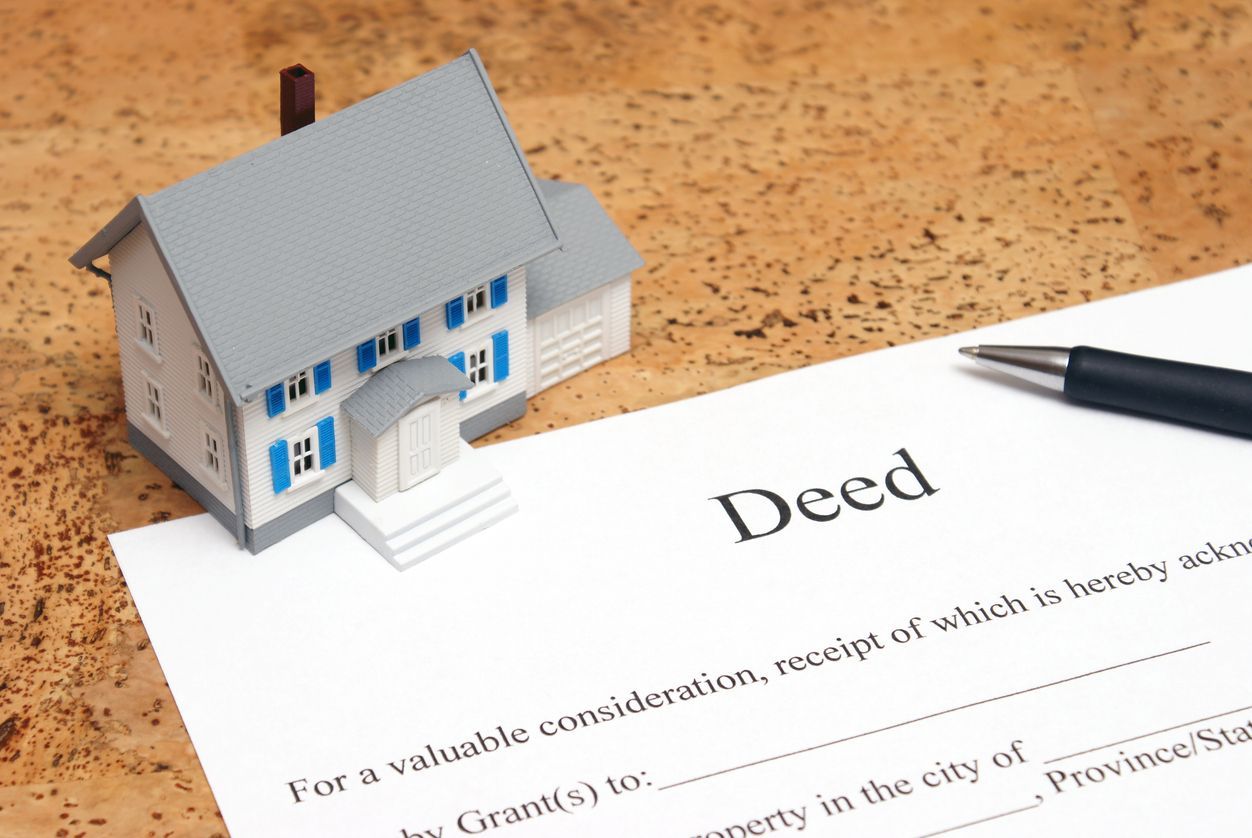
A beneficiary deed is another estate-planning tool available in Arkansas. It allows an owner to designate who will receive real property upon the owner's death, while generally allowing the owner to retain ownership and control during life. When properly prepared and recorded, a beneficiary deed can be a useful way to transfer real estate outside of probate.
Trusts can change the answer as well. If your home has already been transferred into your revocable living trust, then the trust—not your Will—generally determines what happens to the property after your death.
So, what happens if your Will says one thing and your deed says another?
The answer depends upon the particular documents and circumstances, but the important lesson is this: your Will does not necessarily control every asset you own.
That is why a good estate plan involves more than signing a Will and putting it in a safe place. Your Will, trust, deeds, beneficiary designations, and the way your accounts are titled should all work together toward the same goal.
It is also why estate plans should be reviewed periodically. Families change. Property is bought and sold. Spouses pass away.
Beneficiaries change. A deed signed years after a Will was prepared can sometimes produce a result that no one expected.
If it has been several years since you reviewed your estate plan, take a moment to ask a simple question: If I died today, do I know who would actually receive my house?
The answer may be in your Will, but you should probably check your deed.
Ryan Villano, Attorney at Law
Farrar & Williams, PLLC
135 Section Line Rd, Hot Springs National Park, AR, United States
If you would like to discuss your estate plan, Farrar & Williams, PLLC offers a free 30-minute consultation for estate-planning matters. Please contact our office to schedule an appointment.
The complimentary 30-minute consultation is limited to estate-planning matters. This article is intended for general educational purposes only and does not constitute legal advice. Reading this article or contacting the firm does not create an attorney-client relationship.